Need a tumbler to go with your rocks? See our guide to the best rock tumblers in 2026.
You just got your first rock tumbler. You loaded it with whatever rocks you found in the yard, hit the switch, and waited four weeks. The result? A barrel full of misshapen, scratched-up disappointments that look worse than when you started.
The tumbler wasn’t the problem. The rocks were.
Choosing the right rocks is the single biggest factor in getting those glass-smooth, jewelry-grade results that hooked you on this hobby in the first place. Get this wrong and no amount of grit, polish, or patience will save your batch. Get it right, and even a $30 starter tumbler produces stones that look like they belong in a gem shop.
This guide covers everything: the best beginner-friendly rocks, what makes a rock tumble well, which ones to leave in the garden, and where to source quality rough without getting ripped off.
What Makes a Rock Good for Tumbling?
Not every rock belongs in a tumbler. Three properties determine whether a stone will polish beautifully or crumble into mud.
Hardness (Mohs Scale)
The Mohs hardness scale runs from 1 (talc) to 10 (diamond). For tumbling, you want rocks between 6 and 8 on this scale. Anything softer wears down too fast during the coarse grit stage. Anything harder takes forever and chews through your grit supply.
The sweet spot is 7 – and that’s exactly where most varieties of quartz, agate, and jasper land. This isn’t a coincidence. Silicon dioxide-based stones (the quartz family) have the perfect combination of hardness, toughness, and grain structure for tumbling.
Toughness vs. Hardness
Hardness and toughness are different things. Hardness measures scratch resistance. Toughness measures how well a rock absorbs impact without fracturing.
Obsidian is a perfect example. It’s hard (5-5.5 Mohs) but brittle. Drop it and it shatters into razor-sharp flakes. In a tumbler, obsidian chips easily unless you follow specific techniques for difficult stones. Meanwhile, nephrite jade is both hard (6-6.5) and incredibly tough, making it one of the best tumbling stones on the planet.
Grain Structure
Fine-grained rocks polish to a mirror finish. Coarse-grained rocks end up with a matte, pitted surface no matter how long you run them. Granite looks gorgeous as a raw chunk, but tumble it and you’ll get a dull blob with pockmarks where softer minerals dissolved away.
Stick with cryptocrystalline or microcrystalline stones – rocks where the individual crystals are too small to see with the naked eye. Agates, jaspers, and chalcedony all fall into this category.
The 10 Best Rocks for Tumbling (Ranked)
These rocks consistently produce the best results, whether you’re running a beginner rotary tumbler or an advanced vibratory setup.
1. Agate (Mohs 7)
The undisputed champion of rock tumbling. Agates are banded chalcedony with translucent layers that absolutely glow when polished. They’re hard enough to take a high polish, tough enough to survive four weeks of tumbling, and every single one is unique.
Lake Superior agates, Montana agates, Botswana agates – they all tumble brilliantly. The banding becomes more vivid after polishing, and some varieties develop an almost gem-like translucency. If you want a deep dive, check out our complete agate tumbling guide.
2. Jasper (Mohs 6.5-7)
Jasper is essentially opaque quartz filled with mineral impurities that create wild colors and patterns. Red jasper, picture jasper, ocean jasper, Dalmatian jasper – the variety is staggering. It tumbles predictably, takes a good polish, and produces stones with rich, saturated colors.
The best part? Jasper is one of the most common tumbling stones you’ll find. It’s affordable, widely available in rough form, and forgiving for beginners.
3. Petrified Wood (Mohs 6.5-7)
Ancient wood replaced molecule by molecule with silica over millions of years. The original wood grain survives, so tumbled pieces show rings, bark texture, and cell structures in stone. It’s essentially agate that grew inside a tree.
Petrified wood from Arizona, Madagascar, and Indonesia tumbles beautifully. Harder specimens (closer to 7) take the best polish. Softer pieces with visible clay layers should be avoided.
4. Tiger’s Eye (Mohs 7)
That golden-brown chatoyant shimmer makes tiger’s eye one of the most visually striking tumbled stones. The fibrous structure creates a shifting band of light across the polished surface. Tumble a handful and you’ll have stones that look like they cost $5 each at a gem show.
5. Carnelian (Mohs 7)
A translucent orange-red variety of chalcedony that tumbles into absolute fireballs. Good carnelian develops a deep, warm glow when polished – almost like you’re looking through stained glass. It ranges from pale orange to deep blood-red, and every shade polishes well.
6. Rose Quartz (Mohs 7)
The soft pink color of rose quartz makes it a favorite for jewelry and decorative bowls of tumbled stones. It’s consistent, easy to source, and takes a reliable polish. Not as dramatic as agate or tiger’s eye, but always attractive.
One tip: look for translucent specimens rather than milky-white ones. The transparency is what gives polished rose quartz its signature glow.
7. Amethyst (Mohs 7)
Purple quartz that tumbles into gorgeous violet gems. Darker specimens produce the most striking results. Lighter lavender amethyst can look washed out after tumbling, so aim for rich purple rough if you can find it.
8. Aventurine (Mohs 7)
Green aventurine contains tiny mica or fuchsite inclusions that create a sparkly, shimmery effect called aventurescence. After tumbling, these inclusions catch the light and make the stone glitter. It’s a consistent tumbler with a hardness of 7.
9. Obsidian (Mohs 5-5.5)
Volcanic glass that polishes to a mirror finish when handled correctly. The catch: obsidian is brittle and chips easily. Run it with plenty of ceramic media as cushioning, and accept that you’ll lose some pieces to fractures. The survivors, though, come out looking absolutely stunning.
Apache tears (small rounded obsidian nodules) are the easiest variety to tumble because their rounded shape reduces chipping.
10. Moonstone (Mohs 6-6.5)
Moonstone develops a beautiful blue-white sheen (adularescence) when polished. It’s softer than quartz, so tumble it separately or with stones of similar hardness. The results are worth the extra care, especially with rainbow moonstone varieties.
For more on moonstone and other exotic tumbling stones, we’ve got a dedicated guide.
Rocks You Should Never Put in a Tumbler
Some rocks don’t just fail to polish – they’ll actively ruin your entire batch. Here’s what to avoid and why.
Rocks That Are Too Soft (Under Mohs 5)
- Calcite (Mohs 3): Dissolves in the acidic slurry and turns into paste. Common in limestone, marble, and many white/clear crystals.
- Fluorite (Mohs 4): Beautiful colors, but too soft and cleaves easily. It’ll round off into a shapeless blob or crack along crystal planes.
- Selenite/Gypsum (Mohs 2): Basically dissolves in water. Don’t even think about it.
- Talc/Soapstone (Mohs 1): You can scratch it with your fingernail. Absolutely not.
Rocks That Fracture or Crumble
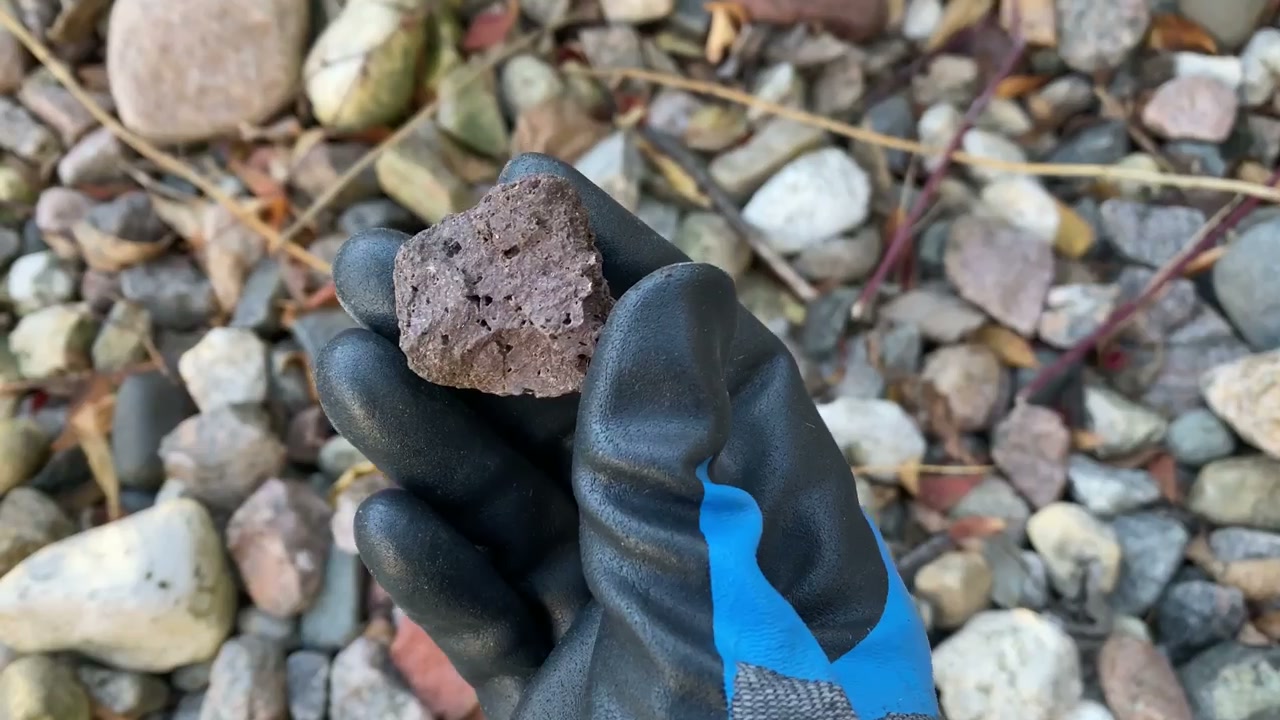
- Pumice and Vesicular Basalt: Those air holes trap grit, contaminate your later stages, and the stone disintegrates. If your rock has visible holes or pores, keep it out of the barrel.
- Shale and Slate: Layered structure means they split apart in the tumbler. You’ll end up with flat chips, not polished stones.
- Sandstone: It’s literally sand grains cemented together. Tumbling just separates those grains back into sand.
Rocks That Ruin the Batch
- Mixing hardnesses: This is the number one beginner mistake. Put a Mohs 7 agate in with a Mohs 4 fluorite, and the fluorite will be ground to nothing while the agate barely loses its rough edges. Always tumble rocks of similar hardness together.
- Metallic minerals: Pyrite, magnetite, and hematite can leave dark streaks on softer stones and create a metallic sludge that interferes with polishing.
Not sure if a rock is suitable? Our guide on how to identify rocks for tumbling walks through the scratch test and other quick checks you can do at home.
Where to Find Rocks for Tumbling
You’ve got three options: buy rough, collect your own, or do both.
Buying Rough Online
The fastest way to get started, especially if you don’t live near good collecting areas. A 3-pound bulk rough stone mix gives you a variety of species at a reasonable price. These mixes typically include jasper, agate, quartz varieties, and sometimes tiger’s eye or aventurine.
For something more specific, grab a 1-pound bag of rough agate and run a dedicated agate batch. Single-species batches produce the most consistent results because every stone has the same hardness and grain structure.
If you want variety with quality, Madagascar rough stone mixes are excellent. Madagascar produces some of the most colorful rough on the market – labradorite, rose quartz, various jaspers, and chalcedony varieties.
Collecting Your Own
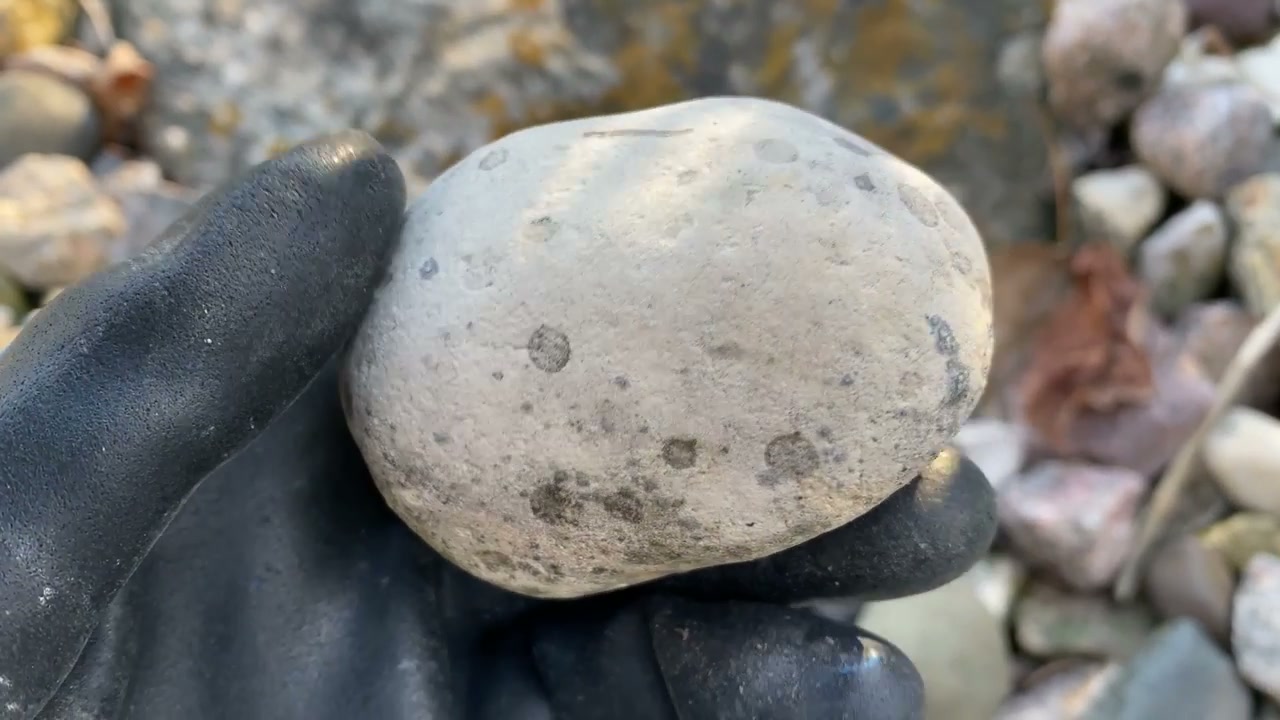
This is where the hobby gets addictive. Rivers, beaches, creek beds, and gravel roads are all productive hunting grounds. Look for:
- Translucent stones: Hold them up to sunlight. If light passes through even slightly, there’s a good chance it’s some variety of quartz or chalcedony.
- Smooth, rounded pieces: Nature has already done some of the shaping work for you. Rounded river rocks need less time in coarse grit.
- Uniform color/texture: Avoid rocks with visible layers of different materials. The softer layers will erode faster, leaving an uneven surface.
- Waxy or glassy luster: That natural shine usually indicates a fine-grained silicate that will take a good polish.
Rock and Gem Shows
Local rock clubs and gem shows are goldmines for quality rough. Vendors at these shows often sell pre-sized tumbling rough sorted by species and hardness. You’ll pay more than bulk online mixes, but the quality is usually much better, and you can inspect every piece before buying.
How to Test a Rock Before Tumbling
Found something promising? Run these three quick tests before loading it into your barrel.
The Scratch Test
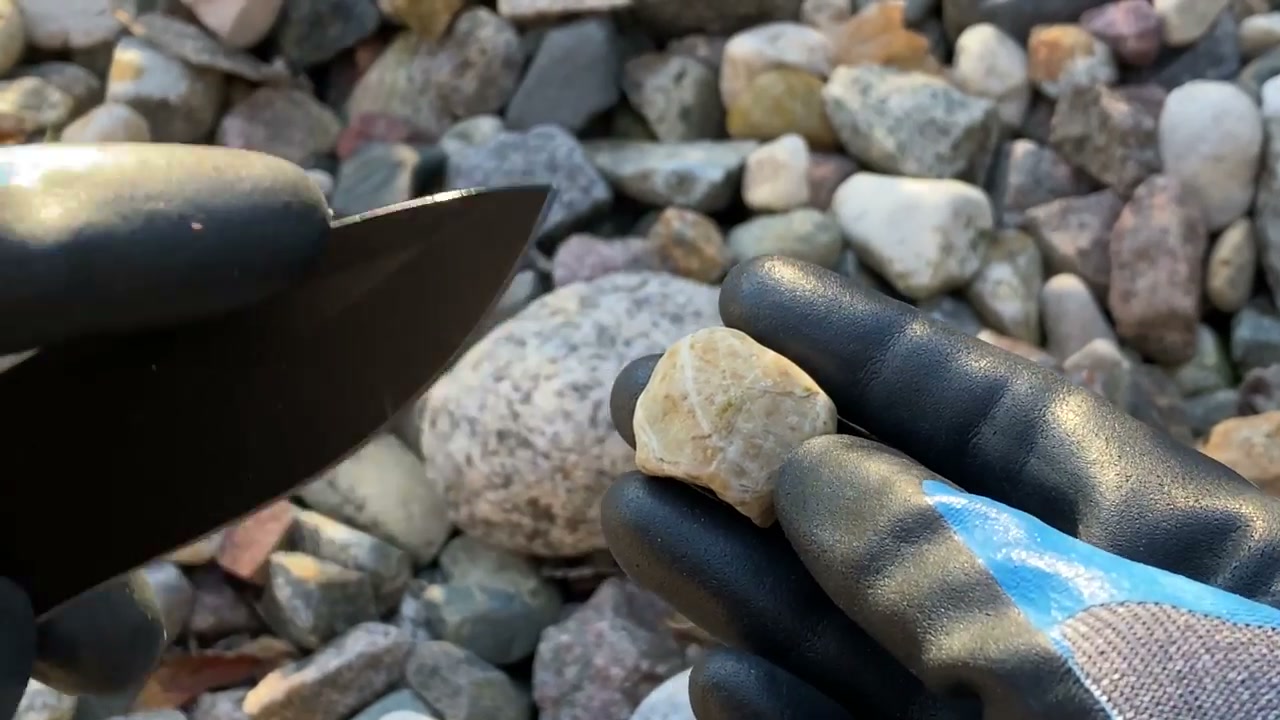
A steel nail or knife blade has a hardness of about 5.5. If you can scratch the rock with a nail, it’s too soft for tumbling. If the rock scratches the nail, you’re in business.
For more precision, grab a piece of quartz (Mohs 7). If quartz scratches your specimen, the specimen is softer than 7. If your specimen scratches quartz, it’s 7 or harder.
The Sound Test
Tap the rock against another known hard rock (like quartz). Dense, hard rocks produce a sharp “clink.” Soft or porous rocks make a dull “thud.” This isn’t scientific, but after a few tries your ear gets calibrated pretty quickly.
The Water Test
Wet the rock and look at it closely. Water simulates what polishing will do – it fills micro-scratches and lets you see the true color and pattern. If a wet rock looks boring, a polished rock will look boring too. If it transforms when wet, that’s a strong sign it’ll tumble well.
Tips for Your First Batch
A few lessons that save beginners weeks of frustration:
- Sort by hardness: Never mix rocks more than 1 point apart on the Mohs scale in the same batch.
- Sort by size: Keep all pieces within a similar size range. Tiny rocks wedge into crevices on larger ones, creating flat spots that won’t polish.
- Fill the barrel 2/3 to 3/4 full: Too few rocks and they smash into each other. Too many and they can’t tumble properly. The sweet spot gives them room to cascade. Check our beginner’s guide for detailed barrel-loading instructions.
- Add ceramic media: Ceramic pellets fill gaps between rocks, cushion impacts, and help distribute grit evenly. They’re especially important for small batches. Here’s our breakdown of the best tumbling media.
- Use the right grit sequence: Coarse (60/90), medium (150/220), fine (500), and polish (aluminum oxide or cerium oxide). Don’t skip stages. Every stage removes the scratches from the previous one. Our grit guide covers the details.
- Inspect between stages: Before moving to the next grit, dry the rocks and examine them under good light. Any deep scratches or pits from coarse grit? Run that stage again. Moving forward with scratches just locks them in permanently.
Best Starter Kits for Beginners
If you’re just getting started and want everything in one box, the National Geographic Hobby Rock Tumbler Kit comes with a tumbler, grit, and a selection of rough stones. The included rough is decent quality – mostly jasper and agate varieties that are pre-sized for the barrel. It’s a solid way to get your first successful batch without sourcing anything separately.
Once you’ve run through the included rough, branch out with bulk rough stone mixes to experiment with different species. That’s when the hobby really takes off.
Frequently Asked Questions
Can you tumble rocks you find in your backyard?
Sometimes. The key is testing hardness first. Many yard rocks are limestone, sandstone, or granite – none of which tumble well. But if you’re in an area with quartz veins, agate deposits, or volcanic activity, your backyard might be hiding some excellent tumbling material. Do the scratch test before loading the barrel.
How long does it take to tumble rocks?
A full rotary tumbling cycle takes 4-6 weeks across all four grit stages. Each stage typically runs 7-10 days. Vibratory tumblers are faster, finishing in 2-3 weeks total. Harder rocks need more time in coarse grit; softer stones (like obsidian) need less.
Can you tumble glass or sea glass?
Yes. Glass has a Mohs hardness of about 5.5-6, so it tumbles nicely with other stones of similar hardness. Beach glass already has frosted edges; tumbling it with fine grit and polish creates a smooth, jewel-like finish. Don’t mix it with harder stones like agate, or the glass will get destroyed.
What size should rocks be for tumbling?
For a standard 3-pound barrel, aim for rocks between 1/2 inch and 1.5 inches. Mix sizes within that range so smaller pieces fill gaps between larger ones. Avoid anything larger than half the barrel diameter – it won’t tumble properly and may damage the barrel.
Do you need to break rocks before tumbling?
Large pieces need to be broken down, yes. Use a rock hammer or trim saw to get pieces into the right size range. Rounded shapes tumble best because sharp edges take longer to smooth out in coarse grit. If you’re collecting river rocks, they’re often already the perfect size and shape.