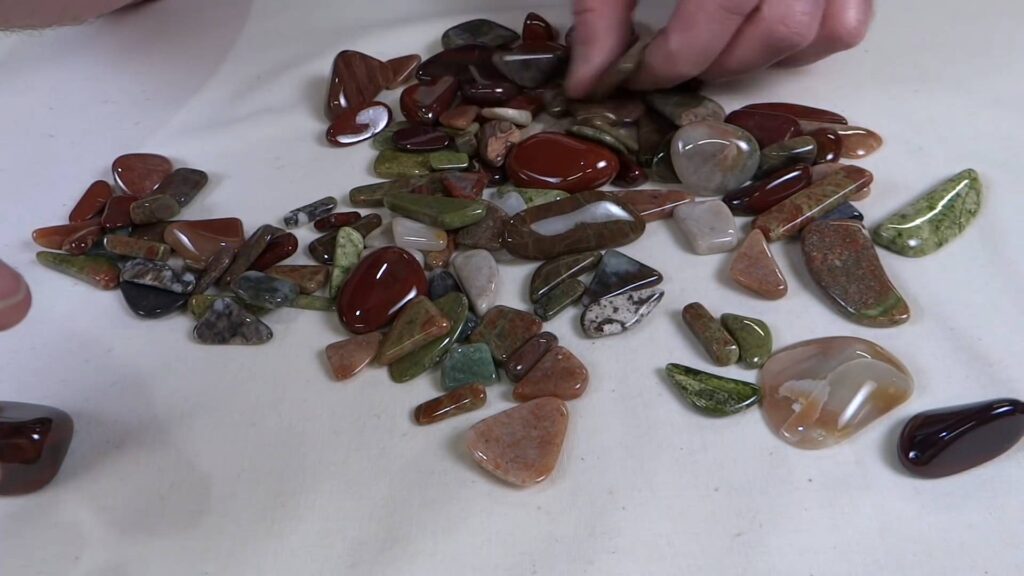
Ninety percent of the people who buy their first bag of tumbled stones don’t own a rock tumbler and don’t plan to. They want the finished thing: pretty, palm-sized, on a nightstand or in a pocket. That’s a completely different buyer than the hobbyist tumbling their own rough. Both are welcome here.
Seven stones show up in almost every “starter kit” for a reason. They’re forgiving to buy (hard to get a really bad one), each one has a distinct look, and together they cover the categories most people are actually shopping for: grounding, love, clarity, protection, prosperity, focus, and calm.
We tumble our own rocks, so we’ll also flag which of these you can polish at home if you get curious. Three are beginner-friendly. Three are tricky. One is basically impossible to tumble yourself and worth buying finished.
1. Clear Quartz: the “master healer” and the one to start with
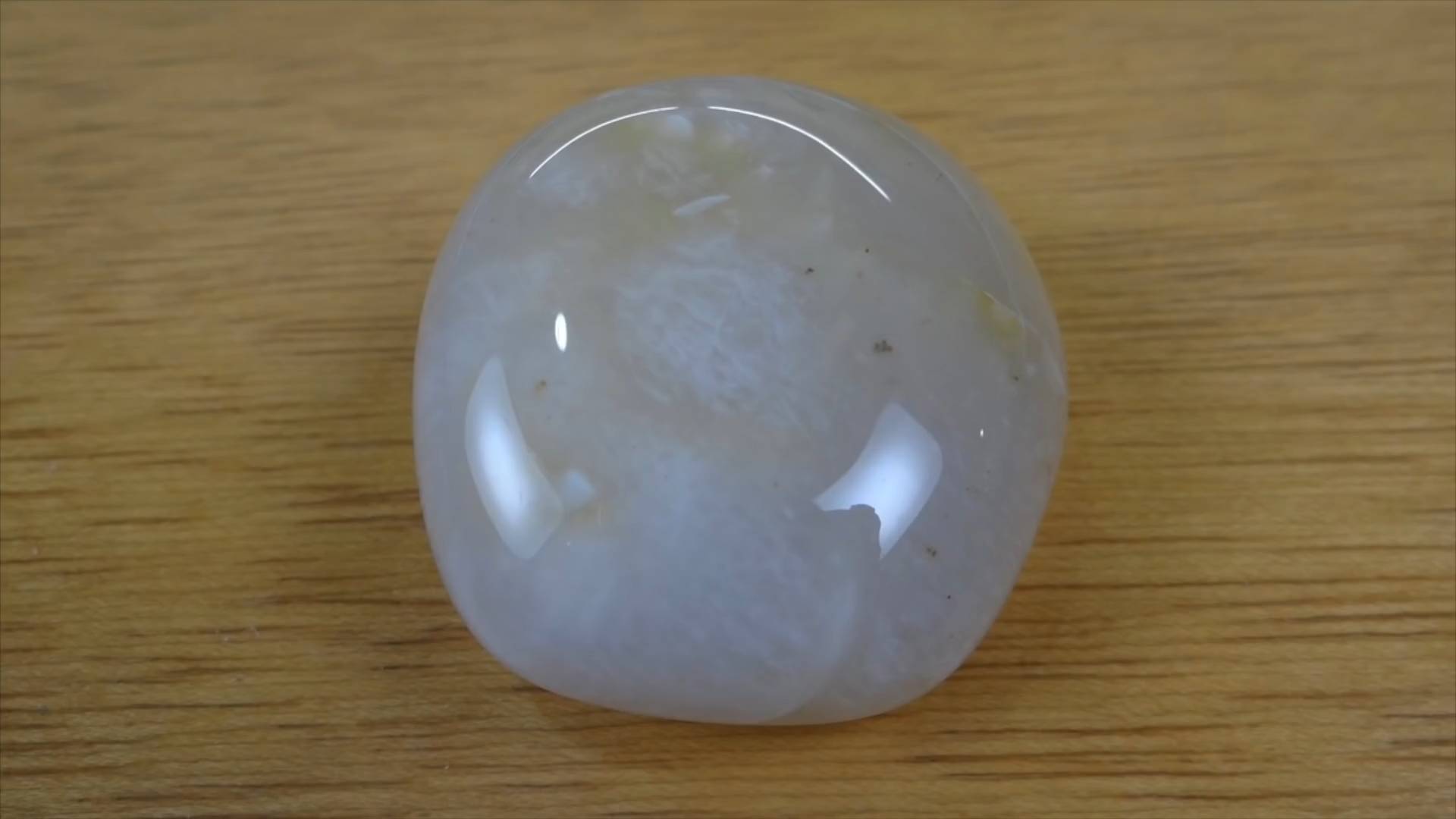
What it is: Silicon dioxide (SiO2), the second most abundant mineral in Earth’s crust. Hardness 7 on the Mohs scale, meaning it survives being carried around, dropped, or knocked against other stones without chipping.
Why people gravitate to it: Clear quartz is the least specific stone on this list. Practitioners call it a master healer or amplifier, the idea being it works with almost any intention rather than being tied to one thing (love, protection, focus). For a beginner that’s useful: you can hold it while thinking about whatever you’re working through without committing to one energy.
What to look for: Optical clarity varies wildly. Cheap bulk quartz can look milky or foggy. Quality tumbled quartz should show at least some translucency when you hold it up to light. Small internal fractures (“rainbows”) are fine and often prized. Skip pieces with visible chips on the edges. That’s a sign of a rushed polish.
Where we’d buy it: 1.25–2.0″ Natural Clear Quartz Tumbled Stones. Good size, no obvious chipping in the two bags I’ve bought.
Tumble it yourself? Yes, but slowly. Quartz is hard, which means the polish stage takes longer than most beginners expect. Plan on 4 to 5 weeks total. Cerium oxide gives a better shine than aluminum oxide.
2. Amethyst: for calm and lower stress
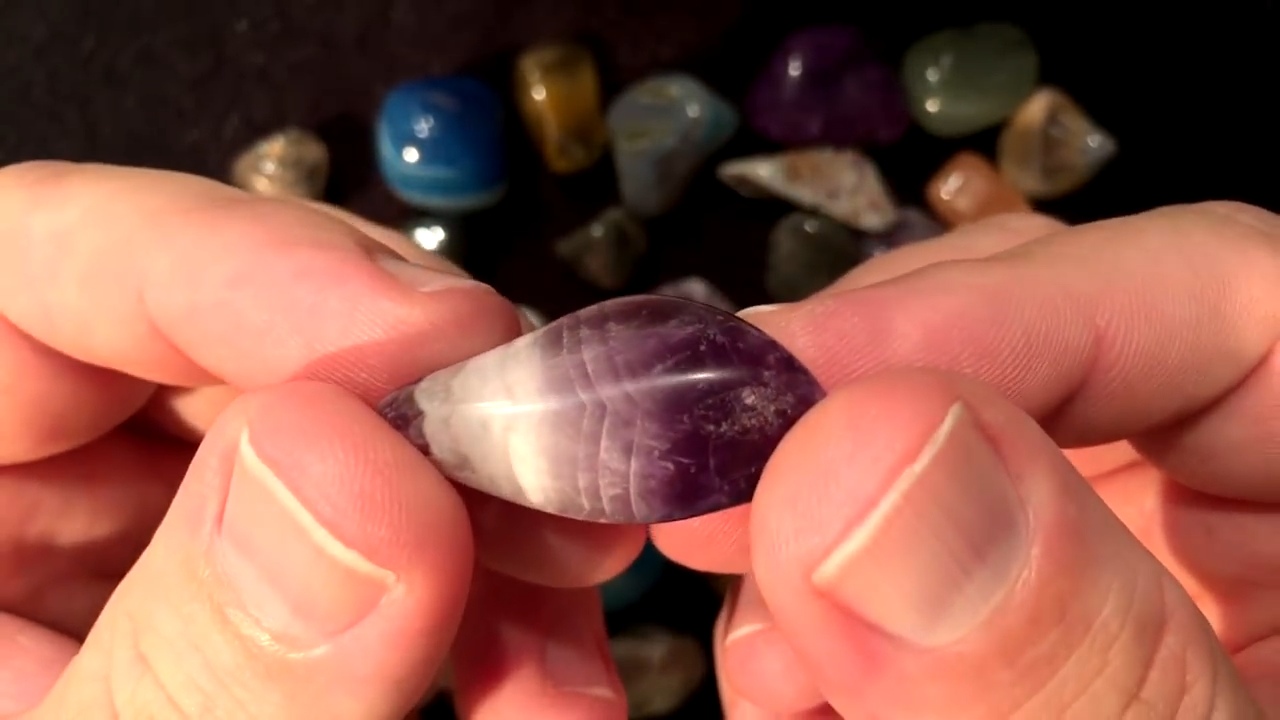
What it is: Purple quartz. Iron impurities plus natural irradiation give it the color. Same hardness as clear quartz (7), same durability, just violet instead of clear.
Why people gravitate to it: If clear quartz is the neutral all-rounder, amethyst is the calm-down stone. Historically tied to restraint (the Greek “amethystos” means “not drunk”) and it’s the most-requested stone for sleep, anxiety, and mental noise. Even people who don’t buy the energetic framing tend to find purple soothing to look at, which is arguably the entire mechanism.
What to look for: Color depth is everything. Pale lavender pieces are cheaper but less striking. Deep purple with occasional darker patches is what you want. Pieces that look almost gray in indirect light are usually heat-treated fakes or very low-grade Brazilian material. If the seller won’t tell you where it came from, assume the worst.
Where we’d buy it: ZenQ 1/2 lb Tumbled Amethyst from Brazil. Well-reviewed, and the sizing has been consistent bag to bag.
Tumble it yourself? Yes, though good rough is expensive. Brazilian or Uruguayan rough tumbles the same as clear quartz. Skip the “amethyst chips” sold cheap. They’re too small to hold a polish.
3. Rose Quartz: the love stone (and the self-worth one)
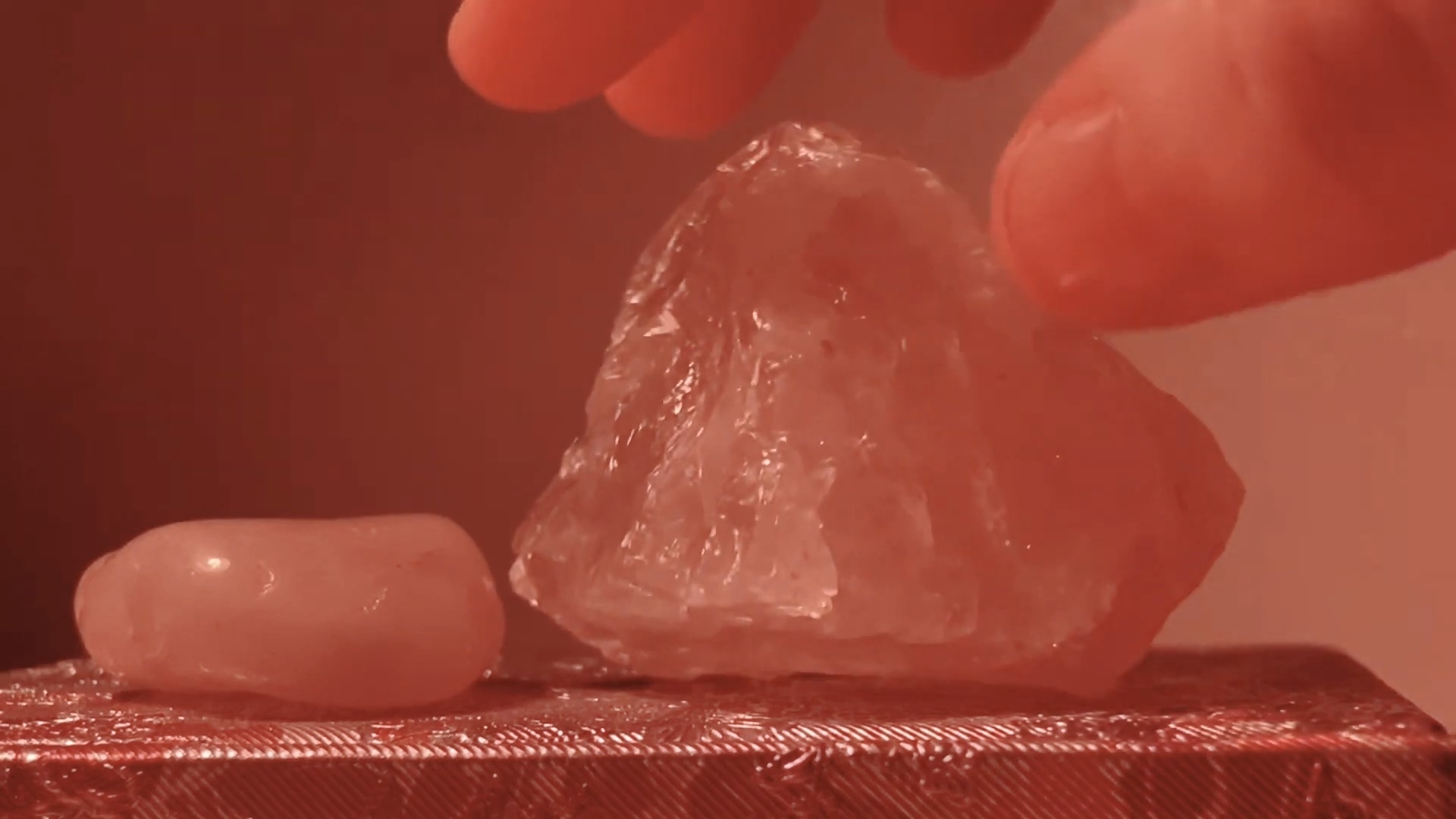
What it is: Pink quartz. Trace amounts of titanium, iron, or manganese give the color. Same silicon dioxide base as clear quartz and amethyst, same hardness 7.
Why people gravitate to it: The obvious answer is love. Rose quartz is the love stone, sold by the bucketload around Valentine’s Day. The less-obvious use is self-worth. Practitioners recommend it for people who over-give in relationships, struggle to receive help, or need to soften self-criticism. It’s the stone we’ve watched people quietly buy for themselves after saying they were getting one for a friend.
What to look for: Rose quartz is almost always translucent, sometimes milky. Cheap versions look chalky or bone-dry. Good pieces have a soft glow, pink but not artificial-pink. If it looks like Barbie plastic, it’s dyed. Dyed rose quartz fades in a year or two.
Where we’d buy it: ZenQ 1/2 lb Tumbled Rose Quartz. Same seller as the amethyst above, so buying both means the stones actually look consistent side by side.
Tumble it yourself? Yes. Rose quartz is one of the more forgiving stones to tumble. Even a mediocre polish looks lovely because the color and translucency do the heavy lifting.
4. Black Tourmaline: the “leave that at the door” stone
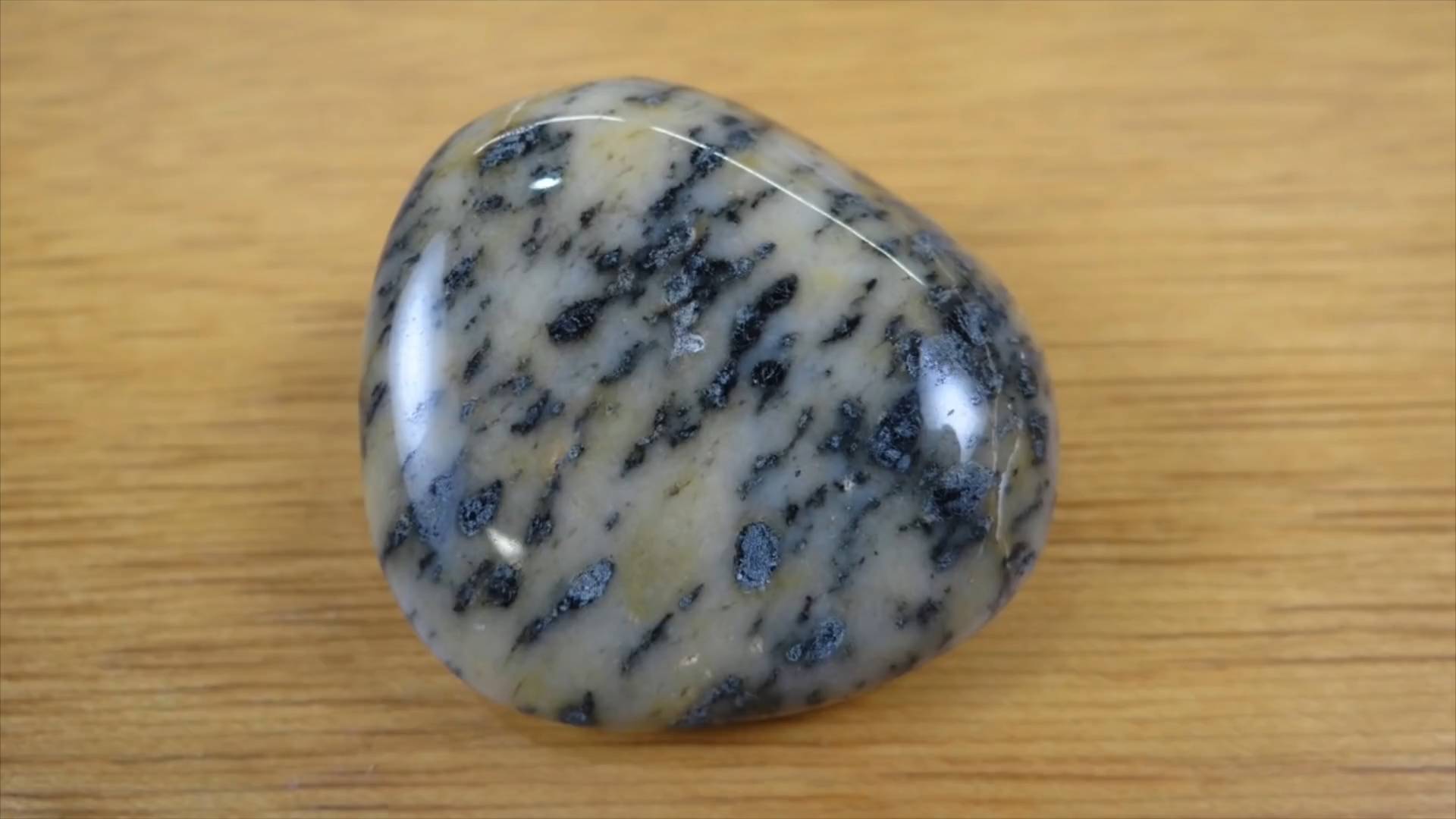
What it is: A boron silicate mineral. The black variety is called Schorl. Hardness 7 to 7.5. Structurally different from the quartz family and it looks different too: deep black, often with visible striations along the length of the crystal.
Why people gravitate to it: Black tourmaline is the protection/grounding stone. People carry it in a pocket, put it near the front door, or keep one on a desk to buffer external stress. Whether or not you buy the energetic framing, a small heavy black stone in your palm has a calming effect. Same reason people fidget with worry beads.
What to look for: Solid black, no gray patches. Ridged/striated texture along the crystal is normal and often preferred, since it means it’s a natural crystal, not a polished chunk of unrelated dark rock. A good piece feels denser than it looks.
Where we’d buy it: Luckeeper 0.5 lb Raw Black Tourmaline. Raw is what you want here. The striations are the point, and tumbling smooths them out.
Tumble it yourself? Difficult. Tourmaline has cleavage along the crystal axis, which means it can split or shatter mid-cycle. Buy this one finished unless you’re already comfortable with the tumbler.
5. Citrine: the abundance stone (and the honest-labelling problem)
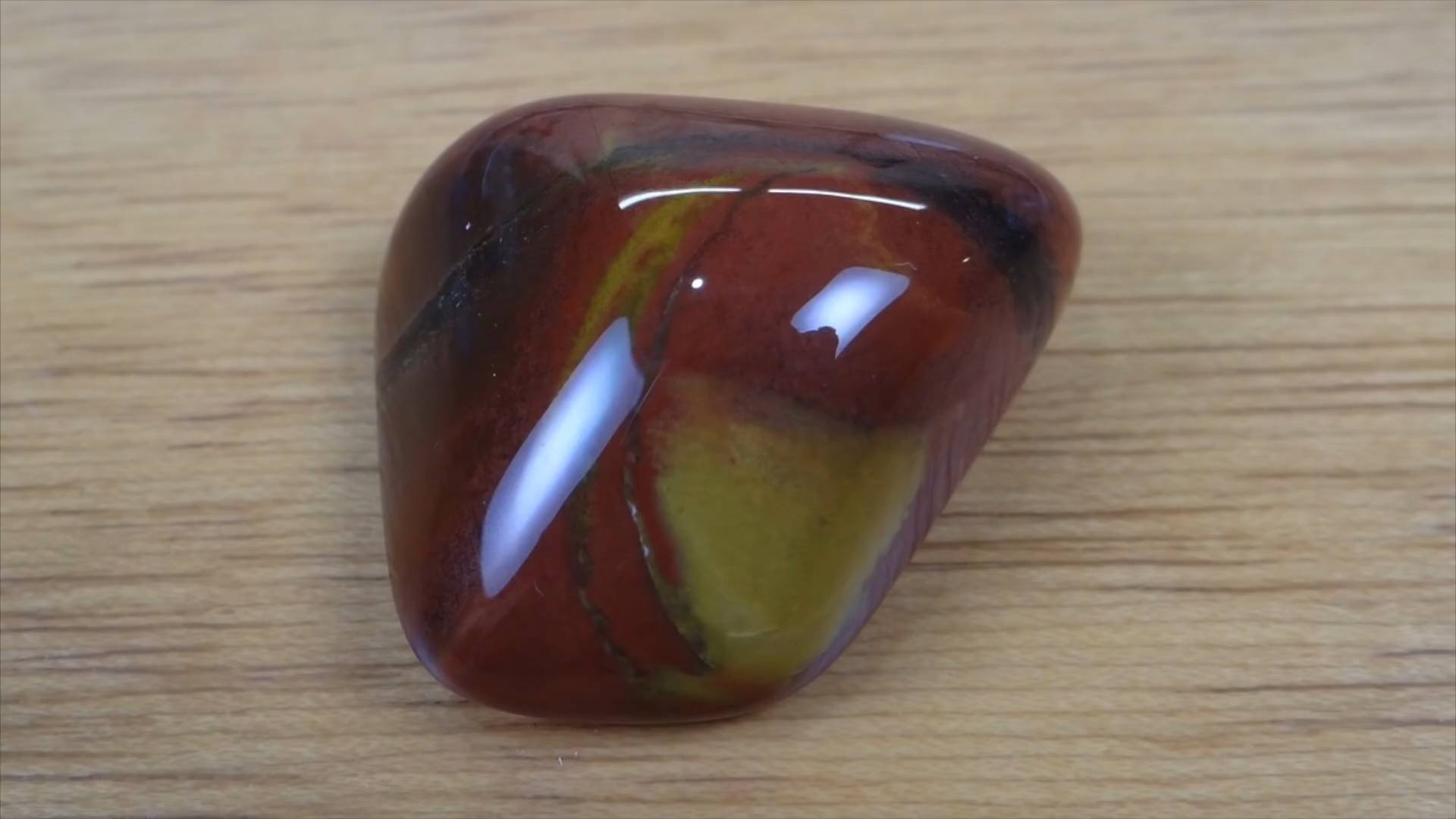
Here’s the thing nobody tells beginners: most “citrine” sold on Amazon is heat-treated amethyst. It’s not a scam exactly, but it’s worth knowing. True natural citrine is rare and pricey. If the bag is affordable, you’re paying for heat-treated amethyst that came out yellow.
That’s normal and fine for most buyers. The color, the placement, the practice, all of it works the same either way. You just aren’t getting mineralogically pure citrine at that price, and if that matters to you, you’ll need to spend more and shop elsewhere.
What it is: Yellow-to-orange quartz, colored by iron impurities and heat (natural or applied). Hardness 7.
Why people gravitate to it: Citrine’s reputation is around abundance, prosperity, and creative energy: “the merchant’s stone.” It goes in cash drawers, near desks, or in the wealth corner of the house (if you’re into feng shui). Personally I’m skeptical about the wealth part. But the color itself is what draws most people in: warm yellow-orange, cheerful without being loud.
What to look for: Deep amber or golden citrine at a cheap price is almost always heat-treated. That’s fine for a starter piece; just calibrate expectations. The characteristic clear/white base where the color fades out is the heat-treatment tell.
Where we’d buy it: DUQGUHO Citrine Tumbled Stones Bulk. Likely heat-treated given the price point. Still beautiful, still counts as citrine to most practitioners.
Tumble it yourself? Yes, but sourcing natural citrine rough is difficult. If you find “citrine” for cheap, it’s heat-treated amethyst, which tumbles the same as regular amethyst.
6. Tiger’s Eye: focus and the underrated one
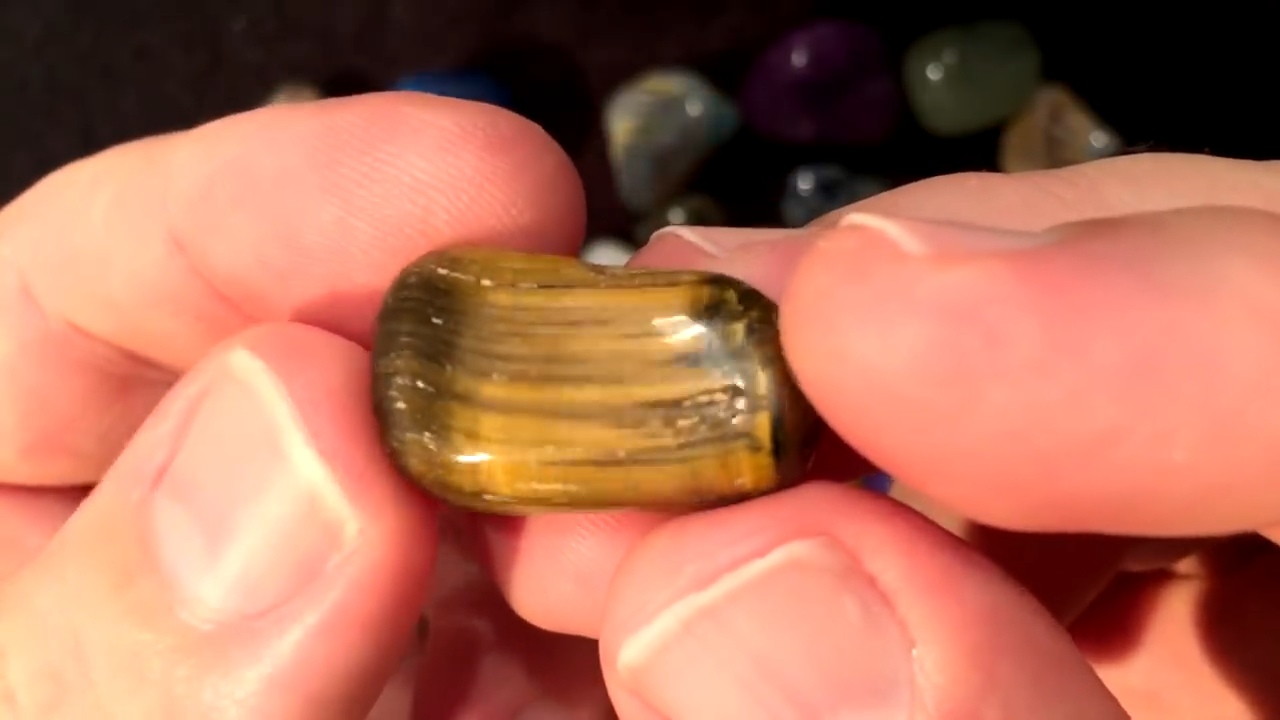
Chatoyant quartz. The golden bands shift as light moves across the surface. Hardness 6.5 to 7. Associated with focus, courage, and getting-it-done energy. Also just genuinely beautiful; the light-play is unlike any other common stone at this price.
Look for clear chatoyancy when you rotate the piece. Dull or lacquered-looking ones are the tell of a cheap batch.
Where we’d buy it: MAIBAOTA Tumbled Golden Tiger’s Eye. Reliable chatoyancy for the price.
Tumble it at home? Yes, and it’s one of my favorites for it. The band-shift gets more dramatic after a good polish.
7. Selenite: the “reset” stone (and buy this one last)
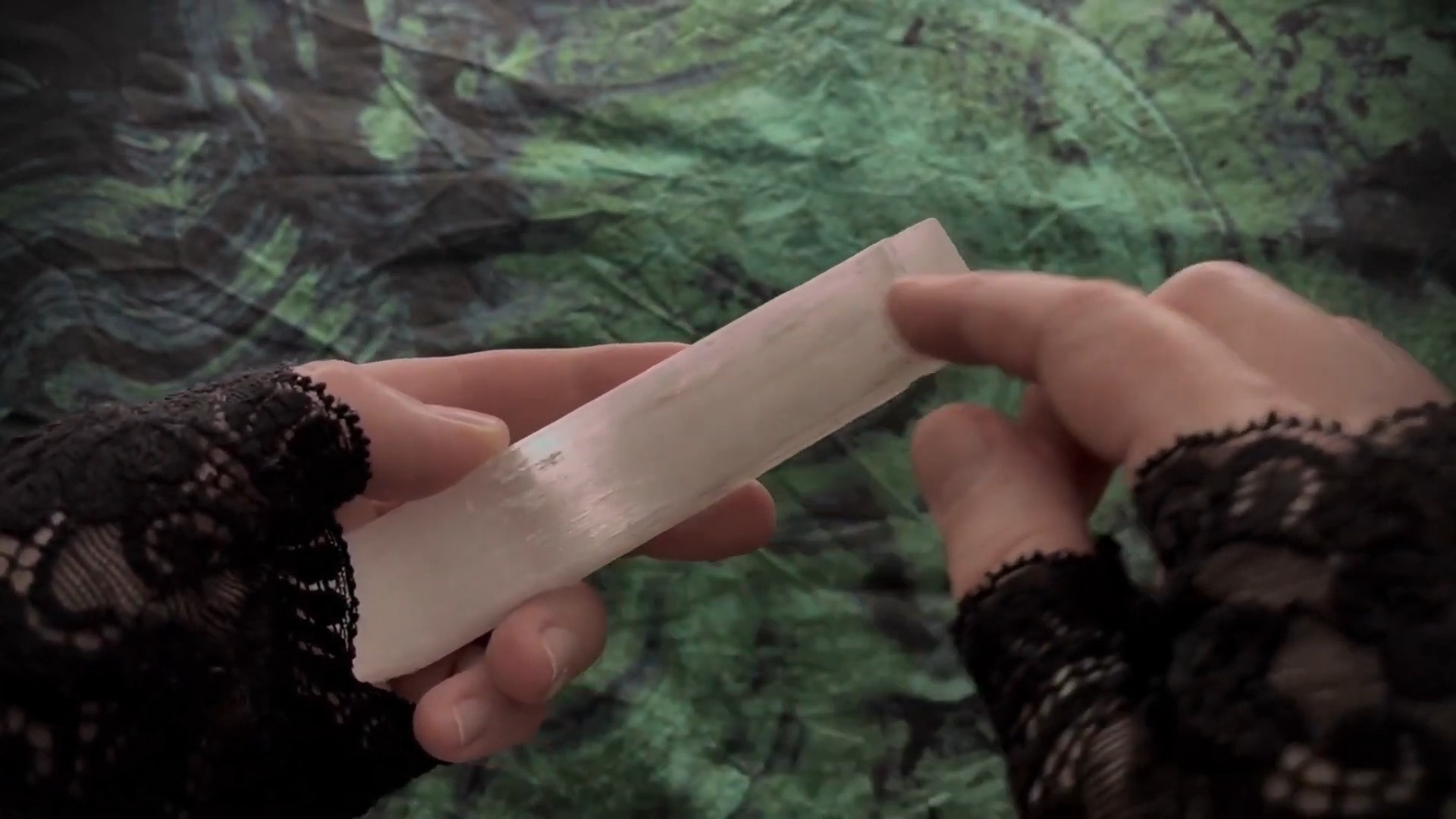
What it is: A crystallized form of gypsum (calcium sulfate dihydrate). Extremely soft, 2 on the Mohs scale, which means it scratches with a fingernail. Milky white, often with a fibrous silky look.
Why people gravitate to it: Selenite is used to “cleanse” other stones. The idea: crystals pick up ambient energy from your environment, and selenite resets them. Whether or not you buy that framing, selenite is genuinely useful as a stand. You can rest your other tumbled stones on a selenite plate overnight. It’s also visually striking. Soft, glowing, almost lit from within.
Small confession: my first selenite plate ended up in a bathroom cabinet. Steam. Ruined it in about six weeks. It went from clean fibrous white to a chalky crumbling mess. Selenite is water-soluble. Anywhere humid is off-limits, and salt water dissolves it in minutes.
What to look for: Almost always sold as raw wands, sticks, or plates. Not tumbled. The softness makes a tumbled polish nearly impossible to maintain. A charging plate (rectangular slab, 4 to 8 inches long) is the most useful shape. Avoid tiny “tumbled selenite” listings. They’re usually damaged or coated with something to fake durability.
Where we’d buy it: 7.5″ Large Selenite Charging Plate. Big enough to hold six or seven tumbled stones at once.
Tumble it yourself? No. Selenite dissolves in water and crumbles under grit pressure. This is the one stone on this list genuinely worth buying finished.
Buy one stone or a set?
If you’re picking one stone to actually live with, amethyst is the safest pick for most people. The color is forgiving to buy, it slots into any room’s palette, and it’s the one first-time buyers tend to reach for most after the novelty of the other six fades.
Want a starter set instead? Get a mixed 7-stone bag, not a themed one. Chakra bags are mostly marketing. The engravings are cute but you’ll ignore them after week two, and the stones inside are usually smaller and lower quality than a same-priced mixed bag.
Frequently asked questions
What are the best tumbled stones for beginners?
Clear quartz, amethyst, rose quartz, black tourmaline, citrine, tiger’s eye, and selenite. Together they cover grounding, love, clarity, protection, prosperity, focus, and calm, which is what most first-time buyers are actually shopping for.
Is heat-treated citrine still real citrine?
Most affordable citrine on Amazon is heat-treated amethyst, and that is normal and accepted for practitioners at this price. The color, the placement, and the practice work the same. If you want mineralogically pure citrine, expect to spend a lot more and shop from a specialist.
Do tumbled stones actually do anything?
The measurable effects are aesthetic and psychological, a warm object in your palm, a specific color on a shelf, and the focusing effect of naming an intention. Whether you frame that as energetic work or as placebo, most people find real value in it.