There’s a reason the Lortone 3A keeps showing up in every rock tumbling forum, Facebook group, and Reddit thread. While flashy Chinese-made tumblers flood Amazon with digital timers and brushless motors, this unassuming little machine from Seattle has been quietly polishing rocks since the late 1970s. Thousands of hobbyists swear by it. But is the hype deserved in 2026, or has the competition finally caught up?
I’ve spent months researching this tumbler inside and out, digging through hundreds of user reviews, forum posts, and comparison tests. Here’s everything you need to know before buying.
Lortone 3A Specs at a Glance
Before diving into the details, here’s what you’re getting:
- Barrel capacity: 3 pounds (roughly a softball-sized load)
- Barrel material: Rubber-lined for quiet operation and rock protection
- Motor: Single-speed AC motor, belt-driven
- RPM: Approximately 25-30 RPM (ideal tumbling speed for most rocks)
- Power: 110V, 60Hz (standard US outlet)
- Dimensions: Roughly 10″ x 6″ x 6″
- Weight: About 7 pounds with barrel
- Made in: Seattle, Washington, USA
- Price: $125-$130 direct from Lortone
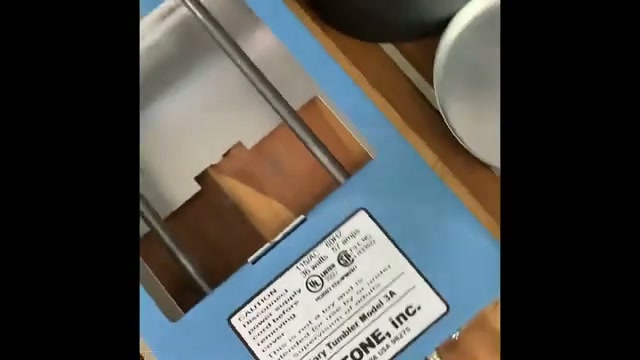
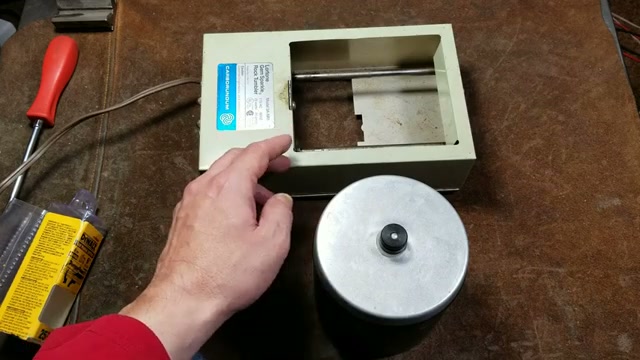
No digital timer. No speed control. No LCD screen. Just a motor, two rollers, a rubber barrel, and decades of engineering refinement.
Build Quality: Where Lortone Earns Its Reputation
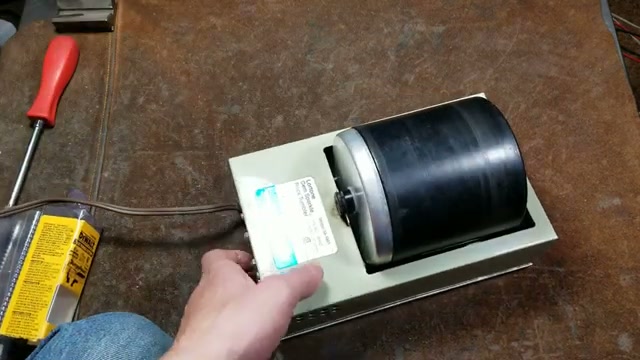
Pick up a Lortone 3A and the first thing you notice is the weight. This isn’t a hollow plastic toy. The base is stamped steel, the rollers are precision-machined, and the motor housing feels like it belongs in a workshop, not a toy aisle.
Lortone has been manufacturing lapidary equipment in the Pacific Northwest since 1979. They use in-house CNC and laser fabrication. Every unit ships from their Seattle facility, built by the same workers who’ve been assembling these machines for years. That’s not marketing fluff. It shows in the product.
The rubber barrel is the standout component. Unlike the rigid plastic barrels on budget tumblers, this rubber drum absorbs impact, protects your rocks from chipping during the coarse grind, and significantly reduces noise. The lid seals with a center-bolt system that virtually eliminates leaks when tightened properly.

Is it overbuilt for what it does? Probably. But that’s the point. Rock tumblers run 24 hours a day, 7 days a week, for 4-6 weeks straight per batch. A motor that fails on week three ruins your entire load. The Lortone 3A motor is designed for continuous duty. People on r/RockTumbling regularly report running theirs for 5, 10, even 15+ years without a motor replacement.
Noise: The Honest Truth
Every rock tumbler makes noise. Anyone who tells you otherwise is selling something. The Lortone 3A is no exception, but it handles the noise issue better than most tumblers in its class.
The rubber barrel does the heavy lifting here. During the coarse grind stage (60/90 grit), you’ll hear a steady rumbling, like a distant washing machine. It’s not silent, but it’s manageable. Most users keep theirs in a garage, basement, or closet. A few report running it on a towel in a spare bedroom without complaints from family members.
Compared to the Lortone 45C (the next size up), the 3A is noticeably quieter. This came up repeatedly in user discussions, with one hobbyist describing the 45C as “a small earthquake” while calling the 3A “background noise you forget about after day two.”
Pro tip: Place the tumbler on a thick rubber mat or folded towel. This dampens vibration transfer to the surface it’s sitting on, which is often the real source of annoying noise rather than the tumbler itself.
Barrel Size: Is 3 Pounds Enough?
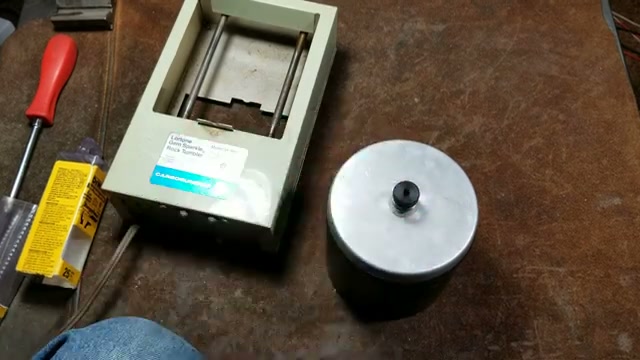
This is where the honest conversation happens. Three pounds isn’t a lot. If you’re collecting rocks by the bucketload at the beach, you’ll be running batches for months. The barrel holds roughly 1.5-2 cups of rocks plus grit and water.
For perspective, that’s about 8-12 medium-sized rocks per load, depending on their shape and density. Fill the barrel about two-thirds full with rocks, add grit and enough water to just below the top of the rocks.
Experienced tumblers recommend keeping individual stones under 2 inches for the best results. Larger rocks don’t tumble properly because they can’t cascade freely inside the barrel.
If you’re a casual hobbyist running a batch every month or two, the 3 lb capacity is perfectly adequate. If you’re trying to process serious volume, look at the Lortone 33B (double barrel) or a larger Thumler’s model.
Lortone 3A vs. National Geographic Hobby Edition
This is the comparison everyone wants. The National Geographic Hobby Edition costs about $65 on Amazon, has 25,000+ reviews, and comes with rough gemstones and grit included. The Lortone 3A costs $125-130 and ships as just the tumbler. No rocks. No grit.
So why would anyone pay double for less stuff?
Durability. The NatGeo is marketed as a kids’ STEM toy. It works well for a few batches. The plastic components wear, the motor isn’t rated for continuous heavy use, and the barrel seal can develop leaks over time. For a Christmas gift that runs twice and sits on a shelf, it’s fantastic value.
The Lortone 3A is a tool, not a toy. It’s built for hobbyists who plan to tumble rocks regularly for years. The per-batch cost drops dramatically when you factor in longevity. At 10+ years of reliable service, the Lortone actually costs less per tumble than the NatGeo.
Results quality. Both can produce beautiful polished stones. But the Lortone’s rubber barrel tends to produce fewer chips and bruises during the coarse grind, resulting in smoother final polishes. The consistent RPM helps too.
Bottom line: If you’re testing the hobby or buying for a kid, get the NatGeo. If you already know you love tumbling and want a machine that lasts, the Lortone pays for itself.
Lortone 3A vs. Lortone 33B
The 33B is Lortone’s double-barrel model, running at about $185. Each barrel holds 3 pounds, giving you 6 pounds of total capacity running simultaneously.
The big advantage isn’t just volume. With two barrels, you can run different grit stages at the same time. Start a new batch in barrel one while barrel two finishes its polish stage. This cuts your total turnaround time nearly in half.
If you see yourself tumbling regularly, the 33B is worth the $55 premium over the 3A. But if space is tight or you’re still gauging your commitment to the hobby, the 3A is the smarter entry point.
The Belt: Your Only Real Maintenance Item
The Lortone 3A uses a rubber drive belt to spin the barrel. This is the one component you will need to replace eventually. Belts typically last 6-12 months of regular use, depending on load weight and how often you run the tumbler.
Signs your belt needs replacing:
- The barrel stops spinning but the motor still hums
- The barrel spins intermittently, stopping and starting
- You notice a slight burning rubber smell
- Tapping the barrel gets it moving again (a common complaint among long-term users)
Replacement belts are cheap. A 5-pack runs about $12 on Amazon, so you’re looking at $2-3 per belt. Keep a couple of spares on hand and you’ll never have a batch ruined by a failed belt.
The replacement process takes about 60 seconds. Lift the barrel off, slip the old belt off the motor shaft and drive roller, loop the new belt on, and you’re back in business.
What’s Missing (And Why It Might Not Matter)
Modern competitors offer features the Lortone doesn’t have:
- Digital timers: Newer tumblers auto-shut off after a set number of days. The Lortone runs until you unplug it. For experienced tumblers, this is a non-issue. You check your rocks periodically anyway. For beginners, set a phone reminder.
- Variable speed: Some tumblers offer 3-9 speed settings. The Lortone runs at one speed, optimized for proper rock cascading. Adjustable speed sounds nice but rarely matters in practice.
- Noise-reduction covers: A few brands include sound-dampening enclosures. A $5 rubber mat under the Lortone achieves nearly the same effect.
These missing features sound like deal-breakers on paper. In practice, they’re conveniences that don’t improve actual tumbling results. The Lortone’s simplicity is a feature, not a limitation. Fewer electronic components means fewer things to break.
Best Grit to Use with the Lortone 3A
The Lortone 3A works with any standard 4-step silicon carbide grit process. Lortone sells their own Abrasive Tumbling Kit (about $88) which includes enough grit for multiple batches. It’s a solid kit rated 4.6 stars with nearly 400 reviews.
The standard process:
- Step 1 – Coarse grind (60/90 grit): 7 days. Shapes the rocks and removes rough edges.
- Step 2 – Medium grind (150/220 grit): 7 days. Smooths the surface.
- Step 3 – Pre-polish (500 grit or aluminum oxide): 7 days. Prepares for final polish.
- Step 4 – Final polish (cerium oxide or TXP): 7 days. Brings out the shine.
Between each step, thoroughly clean the barrel and rocks. Grit contamination from a previous stage is the number one cause of dull, scratched finishes. Check out our guide to grit for a deeper breakdown.
Who Should Buy the Lortone 3A?
This tumbler is perfect for:
- Hobbyists who’ve outgrown a toy tumbler and want reliable, long-term performance
- Jewelry makers who need consistent barrel-polishing for small pieces
- Rockhounds who tumble 1-2 batches per month and want quality over volume
- Adults buying their first “real” tumbler after research
It’s NOT the best choice for:
- Kids under 10 who need an all-in-one kit with instructions and rough stones
- Volume processors who need to tumble pounds of material weekly
- Budget-conscious beginners who aren’t sure they’ll stick with the hobby
Where to Buy
Your best options for buying the Lortone 3A:
- Amazon: Available as the Lortone 3A Single Barrel Tumbler
- Lortone.com direct: $125-$130, straight from the manufacturer
- Covington Engineering: Authorized dealer
- Local lapidary supply shops: Many carry Lortone products
If you’re adding supplies, grab the Lortone Abrasive Tumbling Kit and a pack of replacement belts so you’re ready to start tumbling immediately.
Frequently Asked Questions
How loud is the Lortone 3A rock tumbler?
The Lortone 3A produces a steady, low rumble comparable to a distant washing machine. The rubber barrel absorbs much of the rock-on-rock noise. Most users run theirs in a garage or basement without issues. Placing it on a rubber mat further reduces vibration noise.
How long does the Lortone 3A last?
With basic maintenance (replacing the drive belt every 6-12 months), the Lortone 3A commonly lasts 10-15+ years. The motor is built for continuous duty, and many users report their machines running strong after a decade of regular use. The barrel may eventually need replacing, but this is an inexpensive part.
What size rocks fit in the Lortone 3A?
Keep individual rocks under 2 inches for the best tumbling action. The 3-pound barrel holds roughly 8-12 medium stones per batch. Fill the barrel about two-thirds full, leaving room for the rocks to cascade properly. Mix sizes for optimal results, combining larger pieces with smaller ones.
Does the Lortone 3A come with grit and rocks?
No. The Lortone 3A ships as the tumbler unit only. You’ll need to purchase grit, polish, and rough rocks separately. The Lortone Abrasive Tumbling Kit provides enough grit for multiple batches and is a popular companion purchase.
Is the Lortone 3A worth the price over cheaper tumblers?
If you plan to tumble rocks regularly for more than a year, yes. The Lortone’s continuous-duty motor, rubber barrel, and all-metal construction outlast budget tumblers by a wide margin. Over 5-10 years of use, the per-batch cost is actually lower than replacing cheaper machines every 1-2 years.
Final Verdict
The Lortone 3A isn’t exciting. It doesn’t have an app. There’s no RGB lighting or Bluetooth connectivity. It’s a metal box with a motor and a rubber barrel that spins rocks around for weeks at a time.
And that’s exactly why it works.
In a market flooded with feature-packed tumblers that break after six months, the Lortone 3A does one thing and does it reliably for a decade or more. It’s the Honda Civic of rock tumblers. Not glamorous, not the cheapest, but the one experienced hobbyists keep coming back to.
For beginners ready to commit to the hobby, or experienced tumblers looking for a dependable workhorse, the Lortone 3A remains the standard by which every other hobbyist tumbler is measured.
Read next: Getting Started with Rock Tumbling: A Beginner’s Guide | Best Entry-Level Rotary Tumblers Compared | 15 Rock Tumbling Tips and Tricks