If you are reading this, you probably do not yet know whether rock tumbling is for you — or for the kid you are buying for. That uncertainty is the entire point of a beginner’s tumbler. You want something cheap enough that the risk is low if the hobby does not stick, but real enough that it actually works and does not break in the first month.
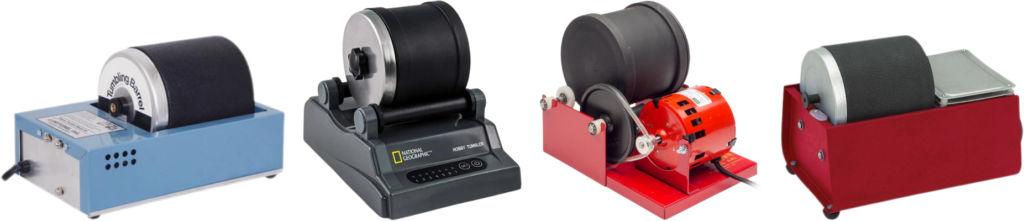
We have tested and compared the main starter options. Here are the four beginner rock tumblers worth buying in 2026, ranked by who each one is actually right for. We also cover what to avoid, what you will need beyond the tumbler itself, and the honest truth about timelines and noise that most retailers do not tell you upfront.
Quick Answer: Which Beginner Rock Tumbler Should You Buy?
- Buying a gift for a kid under 12, or testing the hobby for under $60? Get the National Geographic Hobby Kit ($52). Everything included, works out of the box.
- Buying for yourself or a teen, want more capacity and accessories? Get the Dan & Darci Advanced Kit ($80) or the National Geographic Professional (from $73).
- Already know you will stick with the hobby? Skip the kit tumblers and go straight to the Lortone 3A ($120). It will outlast the competition by years.
What Actually Matters in a Beginner Rock Tumbler
Most “best beginner tumbler” articles list specs without explaining which specs matter. Here is what actually affects whether a first-timer has a good experience or quits in frustration.
Barrel material: rubber, not hard plastic
Cheap tumblers use a hard plastic barrel. They are louder, the rocks bounce rather than tumble smoothly, and they produce worse polish. Rubber barrels (or rubber-lined) tumble more quietly and produce better results. Every tumbler we recommend below has a rubber barrel.
Noise: you will keep this in a garage or basement, not a living room
No rock tumbler is silent. A typical run takes four to six weeks of continuous operation. Expect a low grinding sound at about 50 to 60 decibels — similar to a dishwasher. Rubber barrels are quieter than plastic. Placing the tumbler on a thick towel or rubber mat reduces vibration noise against hard surfaces. If you live in an apartment and cannot isolate the noise, read our rock tumbler noise guide before buying anything.
Included grit and rocks: how complete is the kit?
Some tumblers ship as just the machine — you then have to buy grit (four stages), rough rocks, and a strainer separately. That can add $30 to $60 to the real cost. Kit tumblers like the Nat Geo Hobby and Dan & Darci include all of that plus jewelry accessories for turning stones into pendants. For a first batch, the kit version is the simpler choice.
Timer: set-and-forget
A 7-day automatic shutoff timer means you do not have to remember to switch the tumbler on and off each stage. Most current beginner tumblers have this. A 9-day timer option is worth having if you plan to tumble harder stones like agate or jasper — they benefit from longer time in the coarse stage.
Motor lifespan: 6 to 18 months on budget kits
Kit tumblers from Nat Geo and Dan & Darci use small AC motors that typically last 6 to 18 months of regular use before wear shows. That is fine for testing the hobby. Hobbyist-grade machines like the Lortone 3A use heavier motors designed to run for a decade. You are paying for that difference in price.
The 4 Best Rock Tumblers for Beginners (2026)
Prices and specs verified on Amazon at time of writing. Check current prices at the links below.
1. National Geographic Hobby Kit — Best Gift / Lowest Risk
Price: From $52.34 (base kit) · Bundles with GemFoam from $69.99, with 2 lb extra rocks from $79.99
What you get: Tumbler with rubber barrel and stainless-steel lid, ½ lb of rough rocks in nine gemstone types, four-stage grit pack, strainer, five jewelry fastenings, instruction guide.
Who it is for: Kids aged 8 and up, parents buying a science gift that actually gets used, adults who want the cheapest way to find out whether rock tumbling is for them.
Downsides: Small barrel means small batches (about ½ lb of finished stones per four-week cycle). Expect 6 to 18 months of motor life with regular use. Included rocks are fine but you will outgrow them.
Check current Hobby Kit price on Amazon →
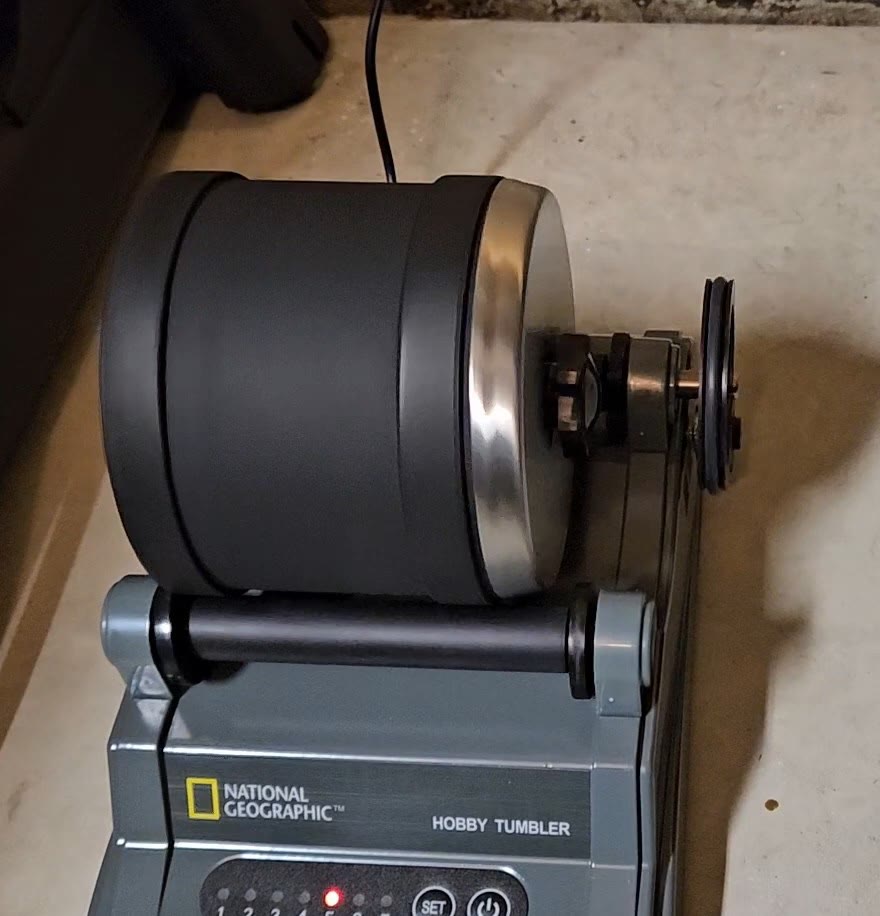
For a full breakdown, read our National Geographic rock tumbler review covering both the Hobby and the Professional.
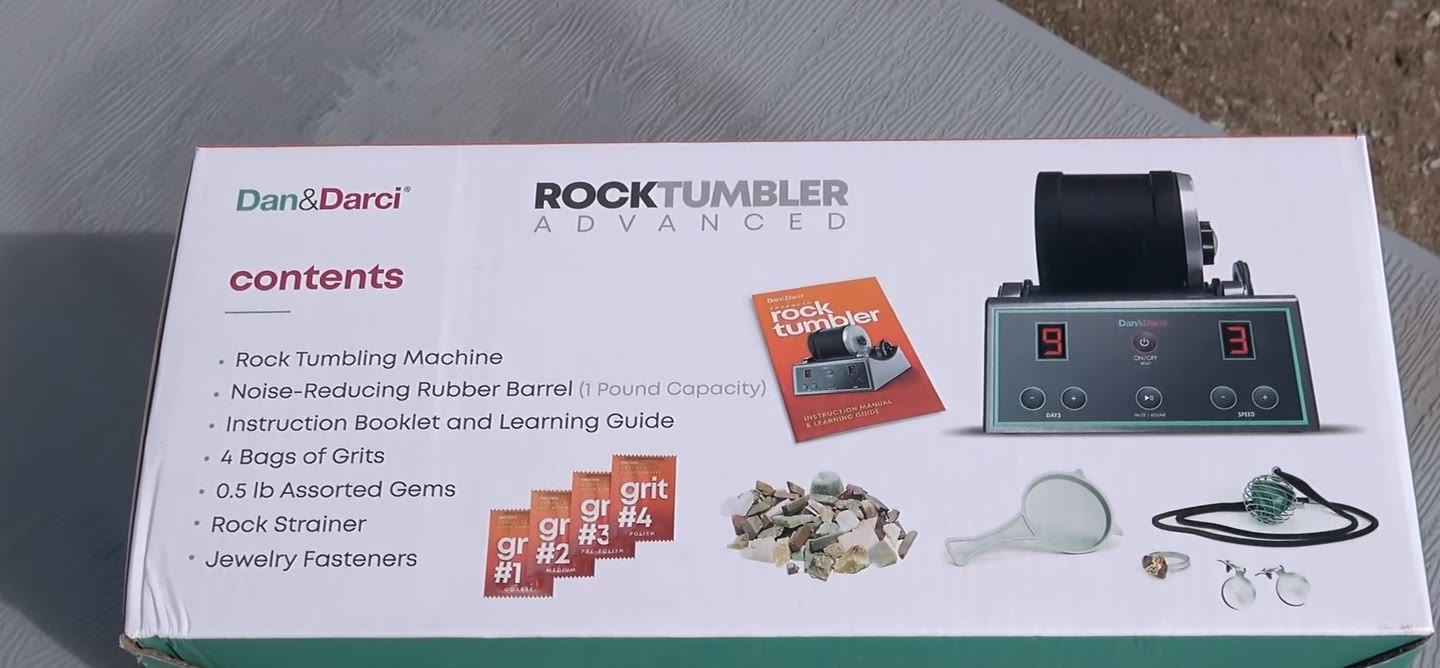
2. Dan & Darci Advanced Rock Tumbler Kit — Best Value Starter Kit
Price: Around $79.99 on Amazon
What you get: Rock tumbling machine with noise-reducing rubber barrel (1 lb capacity), instruction booklet and learning guide, 4 bags of grits, ½ lb of assorted rough gems, rock strainer, jewelry fasteners.
Who it is for: Teens and older kids interested in jewelry-making. Parents who want the widest “out of the box” experience without adding separate purchases.
Downsides: Kit tumblers in this price tier share the same limitation — the motor is the first thing to wear out. If you tumble continuously, plan to replace the tumbler within two years.
Check current Dan & Darci Advanced price on Amazon →
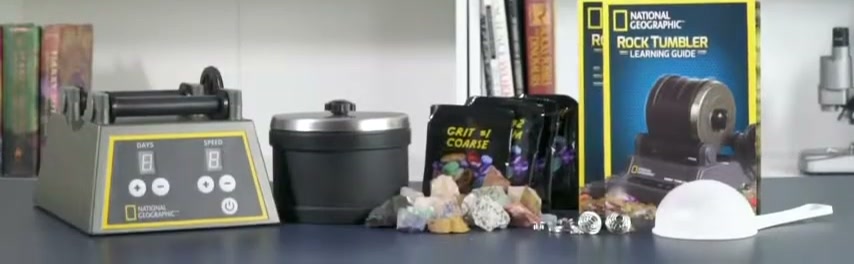
3. National Geographic Professional — Best Value for Serious Beginners
Price: From $73.25 (9-Day Timer variant), from $74.99 (GemFoam variant)
What you get: Tumbler with 2 lb rubber barrel and stainless-steel lid, 1 lb of nine named gemstone varieties, four-stage grit, GemFoam polish, strainer, five jewelry fastenings.
Who it is for: Teens and adults who know they want to tumble regularly. People who value twice the per-batch output over the Hobby model.
Downsides: At $73 to $75 you are only $50 away from a Lortone 3A, which will outlast the Pro by years. Still a kit tumbler — serious tumblers upgrade eventually.
Check current Professional price on Amazon →
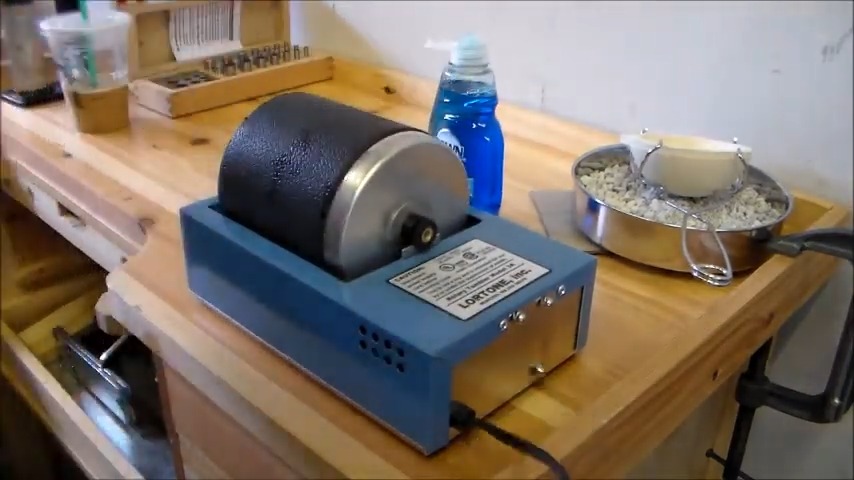
4. Lortone 3A — The Upgrade Pick if You Already Know You Will Commit
Price: Around $120 (tumbler only, no grit or rocks included)
What you get: Just the machine: 3 lb rubber-lined barrel, enclosed motor, belt drive. You provide the grit and rocks.
Who it is for: Adults who are confident rock tumbling is an ongoing hobby for them, not a one-time curiosity. People who prioritize longevity over included accessories.
Downsides: No grit, no rocks, no instruction guide. You will need to spend another $30 to $50 on a grit kit and rough rocks before your first batch. Not a one-box gift unless you bundle the accessories yourself.
Check current Lortone 3A price on Amazon →
Read our full Lortone 3A review for specs, noise data, and long-term durability notes.
What to Avoid as a Beginner
- Hard plastic barrel tumblers under $30. They are loud, they do not polish well, and the rocks chip. If a tumbler does not specifically say “rubber barrel” or “rubber-lined,” skip it.
- Harbor Freight and generic dual-drum tumblers. They are cheap for a reason. Belts slip, motors burn out, and the barrels warp. A few advanced hobbyists buy them as cheap secondary machines — beginners should not.
- “Professional” vibratory tumblers. Vibratory tumblers finish faster but require more skill, cost more, and are not the right starting point. Learn on a rotary first.
- Anything without a timer. Manually starting and stopping a tumbler every 7 days for four weeks is a chore. Most modern kit tumblers include timers. If you see one without, keep shopping.
What You Will Need Besides the Tumbler
Even “complete” kits run out of consumables after a batch or two. Here is what you will be buying within your first two months.
More grit
The four-stage grit pack that comes with the kit is enough for one to two batches. A Polly Plastics 4-stage grit kit (around $25) or buying grit in bulk from a lapidary supplier will carry you through many more cycles. See our grit guide for how much per pound of rocks.
More rocks
The included half-pound or one-pound of rough rocks produces one finished batch. If you want more variety or larger batches, buy rough rock from a lapidary supplier (Kingsley North, Rio Grande, the Gem Shop) rather than a generic “tumbling rough” bag on Amazon. See our guide to the best rocks for tumbling for what to look for.
Ceramic media
Ceramic pellets (angle-cut cylinders) fill gaps between rocks, protect sharp edges, and help polish smaller stones. Most beginners do not realize they need them until batch two. Plan on $15 to $20 for a starter supply.
A place to run it
A full four-stage polish cycle runs about four weeks continuously. That is 720 hours of motor and barrel noise. Plan where it will go before you buy. Our rock tumbling tips guide covers placement and setup tricks.
Frequently Asked Questions
What is the best rock tumbler for a 10-year-old?
The National Geographic Hobby Kit at $52 is the best pick for kids aged 8 to 12. It ships with everything needed for a first batch, the barrel is leak-proof, and the jewelry fastenings let kids turn finished stones into pendants or keychains. If the child is older or more serious, the Dan & Darci Advanced Kit or the National Geographic Professional are better choices.
How long does it take to polish rocks as a beginner?
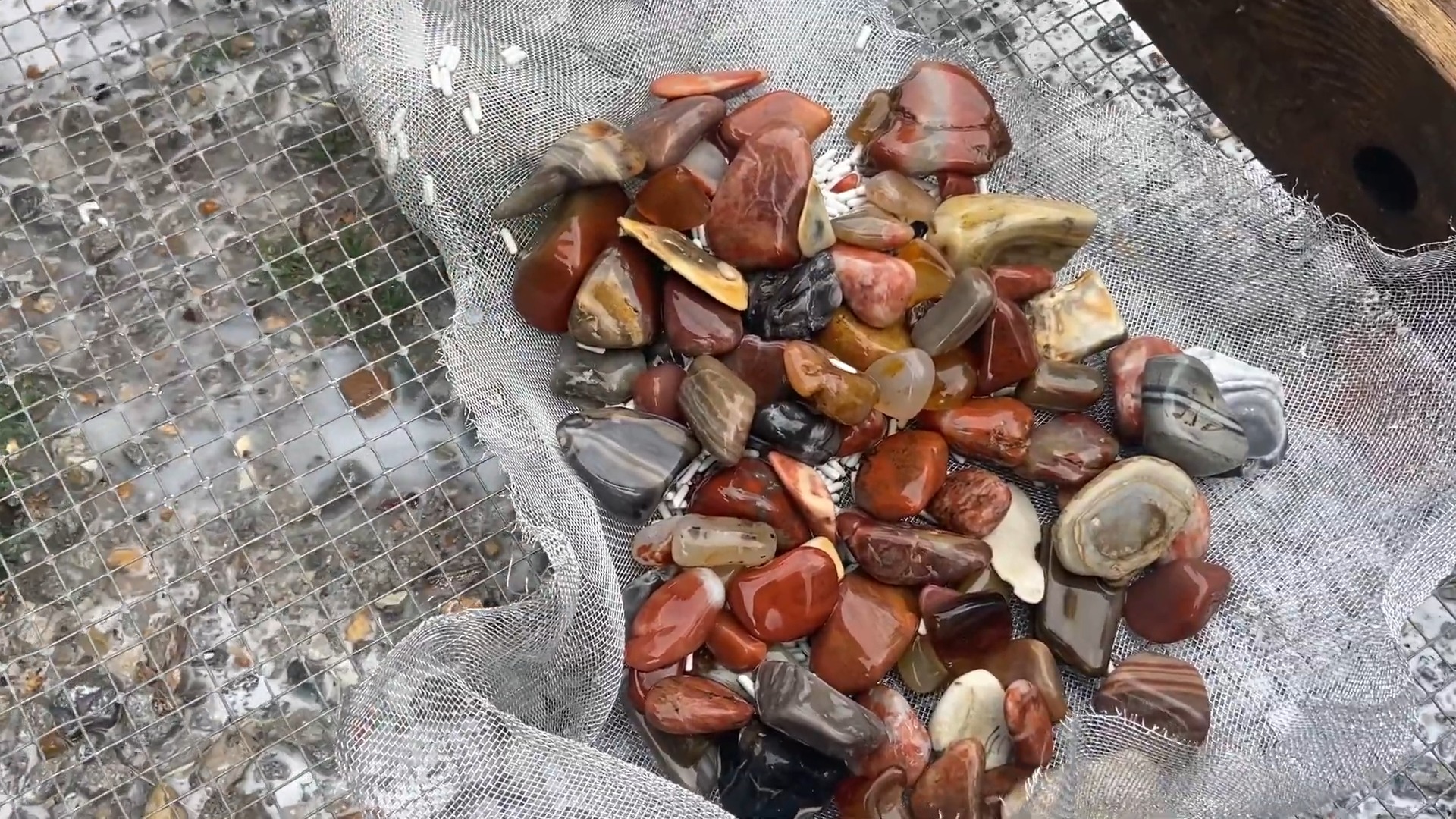
Plan on four weeks for your first batch — one week per grit stage (coarse, medium, fine, polish). Harder rocks like agate and jasper may need an additional 3 to 4 days in the coarse stage. Softer stones can be done in less time. Starting to run the tumbler and expecting results next week is the single most common beginner frustration.
Is rock tumbling loud?
Yes, but manageable. A rotary tumbler with a rubber barrel runs at about 50 to 60 decibels — similar to a dishwasher. Put it on a towel or rubber mat to cut vibration noise. Plan to keep it in a garage, basement, laundry room, or large closet. It is not something you want running next to where you sleep.
How much does rock tumbling cost to get started?
Budget $70 to $100 for a complete kit tumbler with grit and rocks included (Nat Geo Hobby or Dan & Darci). Add $30 to $40 for extra grit and rough rocks after your first batch. If you go with a Lortone 3A at $120 for the machine alone, add another $40 to $50 for consumables before your first batch. Total realistic starting cost: $100 to $170 depending on which tumbler you choose.
Can I tumble rocks I find myself?
Yes, within limits. Look for rocks with a Mohs hardness of 5 to 8 — agate, jasper, quartz, petrified wood, and similar. Avoid soft, crumbly, or weathered material. Do not mix rocks of very different hardness in the same batch. See our guide to identifying tumble-worthy rocks for specifics.
Do beginner rock tumblers actually work, or is it just a toy?
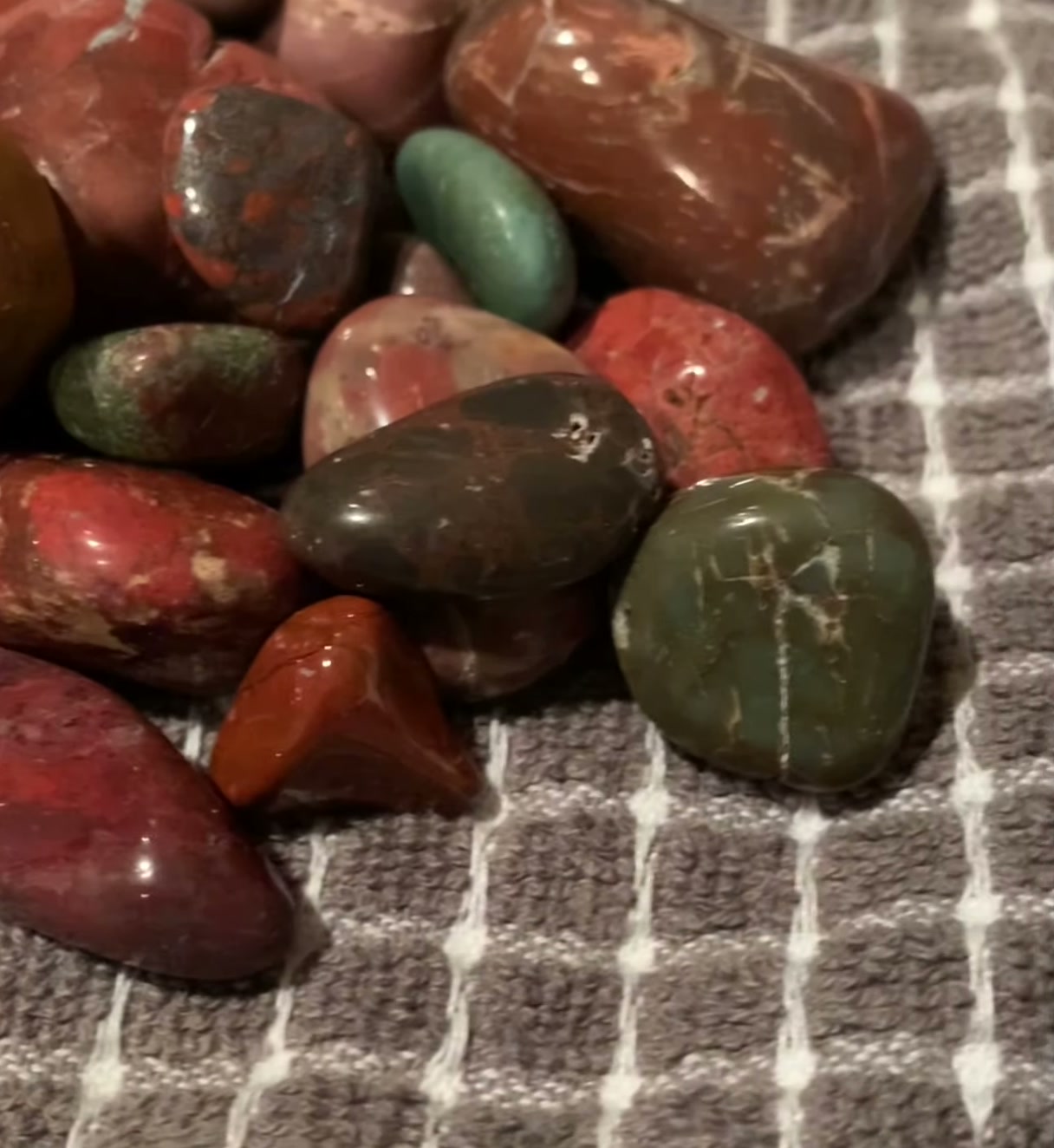
They work. A Nat Geo Hobby or Dan & Darci Advanced can produce genuinely beautiful polished stones if you run the full four-stage cycle and clean the barrel between stages. The difference between a kit tumbler and a Lortone 3A is lifespan and capacity, not quality of polish. The rocks themselves come out similar.
What is the single most common beginner mistake?
Not cleaning the barrel and rocks between grit stages. Coarse grit leftovers contaminate the finer stages and ruin the final polish. Every tumbler we recommend includes a strainer — use it, and wash both the barrel and the rocks thoroughly with water between every stage. Skipping this one step is the reason most “first batch” rocks come out cloudy or scratched.
Bottom Line: Which Beginner Tumbler Should You Buy?
Pick based on who is using it and your confidence in the hobby sticking:
- Child under 12 / unsure gift → National Geographic Hobby Kit ($52). Lowest risk, everything included.
- Teen or adult testing seriously → Dan & Darci Advanced ($80) or National Geographic Professional (from $73). Better capacity, more accessories.
- Already committed to the hobby → Lortone 3A ($120). The 40-year default. Outlasts the kit tumblers by years.
Once your tumbler is running, read our complete guide to using a rock tumbler and our 15 tips for better results to avoid the most common first-batch mistakes.